
Common Finishes for Fixings, Fasteners and Channel Systems
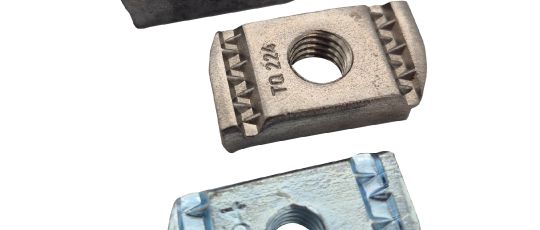
Fixings, fasteners and channel systems come in many forms, sizes and finishes… If you need a certain finish for your next project, check out our ‘Finishes’ page to quickly find the products you need!
Click here for our Common Finishes page.
On our Finishes page you will find a summary and related products for many common finishes including; Pre-Galvanised (PG), Hot Dip Galvanised (HDG), Stainless Steel (SS), Zinc Magnesium (ZM), Bright Zinc Plated (BZP), Zinc and Yellow Passivated (ZYP), Self Colour Steel, Aluminium and Brass.
Pre-Galvanised (PG)
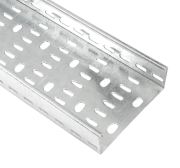
Pre-Galvanised (PG) is a common finish used for construction products and is a typical industry standard for channel sections. Pre-galvanizing is a process where the steel is coated with zinc before being cut into pieces for manufacture. This protects the main body of the steel, but the edges exposed during cutting won’t be fully treated. For example, our Pre-Galvanised channel sections are manufactured from continuously hot dip zinc coated flat steel sheets which conform to BS EN 10346:2009.
Pre-Galvanised Advantages:
- Relatively low-cost option with reasonable corrosion protection.
- Easy to work with.
- Readily available.
Pre- Galvanised Disadvantages:
- Corrosion protection not as effective as other finishes such as Hot Dip Galvanised.
Hot Dip Galvanised (HDG)
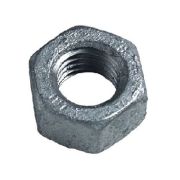
A Hot Dip Galvanised (HDG) finish should be considered for use in external applications and more demanding environments as it offers greater corrosion protection than a Pre-Galvanised finish. Hot-dip galvanizing is a process where steel is coated with a layer of zinc to prevent corrosion. This is achieved by immersing the steel in a bath of molten zinc. Hot Dip Galvanising occurs after manufacture, so achieves a thicker zinc coating than those products which are simply Pre-Galvanised. Plus, for Hot Dip Galvanised channel sections all edges and channel slots will also be zinc coated. The zinc coating reacts with the steel to form a metallurgical bond, creating a durable and protective layer.
Hot Dip Galvanised Advantages:
- Relatively low-cost option.
- Offers good degree of corrosion protection.
- Readily available.
Hot Dip Galvanised Disadvantages:
- Dull look, not as aesthetically pleasing as the other finishes.
Stainless Steel (SS)
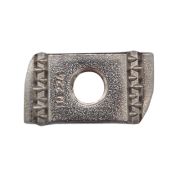
A Stainless Steel (SS) finish offers good tensile strength and corrosion resistance, but is typically more expensive than other options. Stainless Steel can also handle low (cryogenic) and high temperatures. The most common grades of Stainless Steel are A2 (304) and A4 (316), which offer a good form of corrosion resistance making them suitable for outdoor applications. However, A4 (316) grade has a higher corrosion resistance than A2 (304) and should be chosen for; food processing, marine and chemical environments.
Stainless Steel Advantages:
- Offers high degree of strength and corrosion resistance.
- Can be used in marine and chemical environments.
- Aesthetically pleasing finish.
Stainless Steel Disadvantages:
- Higher cost option (although depending upon conditions can be a very cost effective by reducing maintenance and replacement).
- Due to strength can be harder to work with when installing.
Zinc Magnesium (ZM)
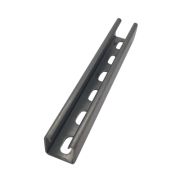
A Zinc Magnesium (ZM) finish is produced via a hot dip galvanising molten bath with a zinc-based composition, which includes Aluminium and Magnesium. Thanks to its composition a Zinc Magnesium finish provides excellent surface and cut-edge corrosion protection, even in hostile environments such as high temperatures, humidity and those prone to salt or chemical corrosion. In particular a Zinc Magnesium finish provides superior corrosion protection for electrical equipment, making it ideal for data centres. Where a hot dip galvanised steel finish is porous, a Zinc Magnesium finish is uniform and impermeable. A Zinc Magnesium finish also has a self-repairing property that causes a protective film to form around surface edges, weld seams and scratches.
Zinc Magnesium Advantages:
- Offers excellent corrosion resistance.
- Can be used in marine, electrical and chemical environments.
- Aesthetically pleasing finish.
Zinc Magnesium Disadvantages:
- Supply – currently not as freely available as other finishes such as Hot Dip Galvanised.
Bright Zinc Plated (BZP)
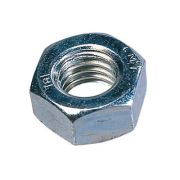
Bright Zinc Plated (BZP) is a common finish often used to provide a protective, corrosion resistant coating to steel. Especially steel which is used in the production of fixings and fasteners. Bright Zinc Plating is achieved via a process of electrodepositing Zinc onto steel components. As well as providing corrosion protection to the base steel, a Bright Zinc Plated finish generally looks nice and shiny too.
Bright Zinc Plated Advantages:
- Low-cost option.
- Aesthetically pleasing finish.
- Easy to work with.
Bright Zinc Plated Disadvantages:
- For indoor use, as low corrosion resistance.
Zinc and Yellow Passivated (ZYP)
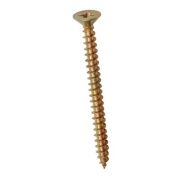
A Zinc and Yellow Passivated (ZYP) finish refers’ to a zinc plating process that also includes a yellow chromate conversion coating deposited on to the steel. This offers greater corrosion protection than the standard Bright Zinc Plated process, and gives the finished steel its distinctive yellow appearance. Zinc and Yellow Passivated is an ideal choice of finish for marine, automotive or outdoor applications, with more corrosive environments.
Self Colour Steel
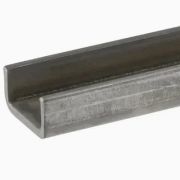
Self Colour Steel hasn’t been treated after it has been cast or formed. As steel is an oxidising material which will corrode over time, if the steel will be exposed to corrosive elements it’s recommended to protect the steel using a primer paint.
Aluminium
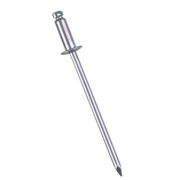
Aluminium is lighter and more malleable than steel, with a high weight to strength ratio. Aluminium is therefore often used in applications where minimising weight is important, such as car manufacture, aerospace and medical equipment. An aluminium finish is aesthetically pleasing, with high corrosion resistance, plus good thermal and electrical conductivity. Also, aluminium isn’t magnetic, making it ideal for use in sensitive applications such as electronics. Aluminium is an ideal material for fixings and fasteners.
Brass
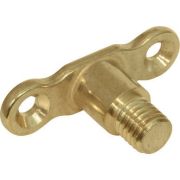
Brass is an alloy of copper and zinc, with low conductivity, non-magnetic and corrosion resistant properties. It is malleable and often sets the standard for machinability. Brass also has a low melting point which makes it relatively easy to cast. These factors make brass ideal for manufacturing fixings and other intricate parts. Unlike mild steel, brass does not become brittle at low temperatures. However, brass does tend to be more expensive than other finishes.
Contact Our Team for Further Advice on Finishes
If you’re still unsure of what fixing, fastener or channel support finish to use on your next project, contact our team via 01322 274226 or [email protected].
Alternatively click here for our Common Finishes page.