Top Tips to Spot Bad Grade Studding
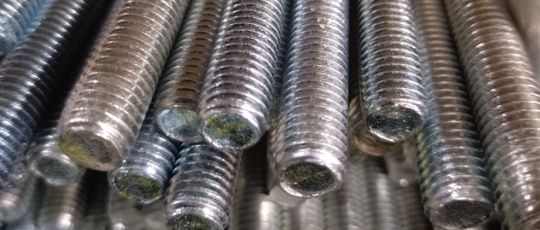
Here we cover some simple tips for what to look out for when buying studding. From what constitutes good studding, to some top tips for spotting bad grade studding.
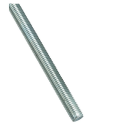
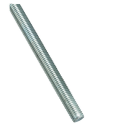
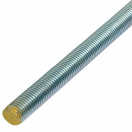
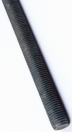
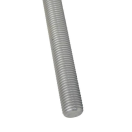
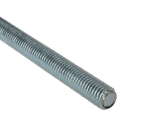
Studding (threaded rod) might be viewed as a simple threaded fastener for use in MEP and HVAC service installations. However, it’s important to ensure the right grade studding is used.
Download our simple Studding Guide, with tips on how to quickly spot bad grade studding.
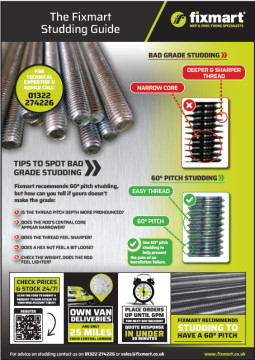
Tips to Spot Bad Grade Studding
To prevent installation issues, we recommend using studding with at least a 60º pitch. Although not always obvious at first glance, there are some simple ways to check if the studding you’re using makes the grade:
- Is the thread pitch depth more pronounced?
- Does the rod’s central core appear narrower?
- Does the thread feel sharper?
- Does a hex nut feel a bit loose?
- Check the weight, does the rod feel lighter?
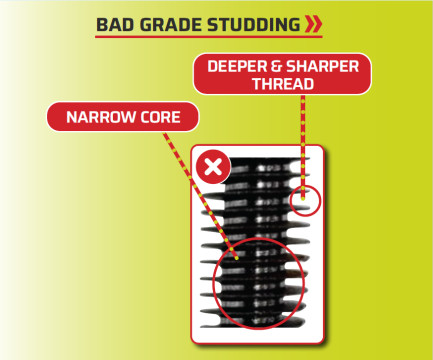
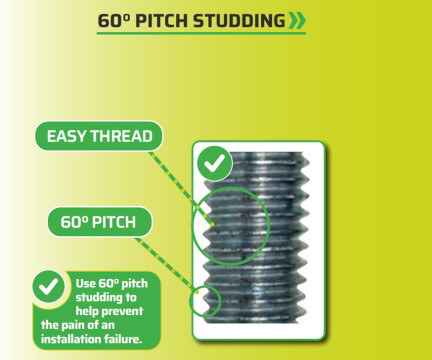
Good V’s Bad Grade Studding
In addition to our guide, here’s a simple summary of good v’s bad Grade Studding.
| Feature | Good Quality | Bad Quality |
| Material | Manufactured to conform to DIN 976-1 | Unknown standard or inconsistent composition |
| Strength Grade | Clearly labelled grade (e.g. 4.8 or 8.8 Mild Steel or A2 or A4 Stainless Steel) | No grade marking, seller cannot provide data sheets or certification |
| Threads | Clean, uniform, rolled threads with no burrs; precise fit with nut | Rough, inconsistent, flattened, or cut poorly; nuts don’t thread smoothly |
| Pitch / Core Diameter | Consistent core diameter with a 60º pitch, (pitch tolerance of +/-5º, within ISO/DIN tolerances) | Off-size core diameter or inconsistent pitch, making installation difficult |
| Straightness | The studding length is straight | The studding is warped or noticeably bent |
| Finish | Has a stated finish such as; Bright Zinc Plated, Galvanized, or Stainless Steel | Patchy coating, peeling, or plain steel prone to rust |
| Durability | High tensile strength studding should be clearly marked, as it can handle heavier design loads | Studding is not clearly marked, so could deform or break if put under stress with heavier design loads |
| Documentation | Supplier can provide data sheets / certificates of compliance | No documentation, with studding from an unknown origin |
| Price V’s Value | Initial cost maybe higher, but correct documentation and marking ensures safety and reliability | Cheaper upfront, but with a greater risk of failure, that could incur higher replacement costs and damage to reputation |
For Further Studding Queries
If you have any queries regarding which what constitutes ‘good’ or ‘bad’ grade studding’, please contact our team on 01322 274226 or [email protected]. Alternatively, you can check out our Studding and Accessories range here.